
Emotional spending triggers (Ultimate Smart Guide)
Learn the emotional spending triggers behind impulse buying and discover simple, practical ways to control emotional spending for good
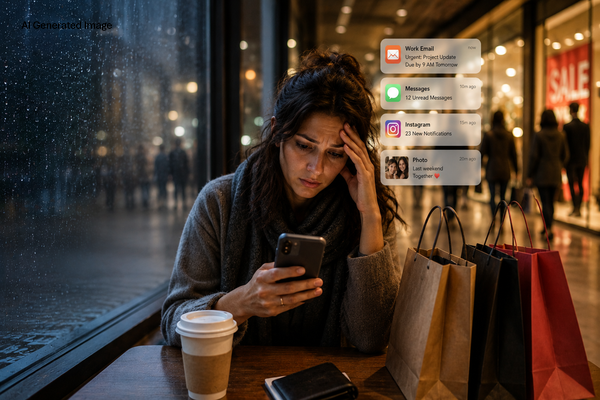
Have you ever checked your bank statement and thought, “Where did all this money go?”
You are not alone. Maybe you ordered food you did not need after a rough day at work. Maybe you bought a new pair of shoes because your friend just got a promotion and you wanted to feel good too. Or maybe you scrolled through a shopping app at midnight and woke up to a confirmation email you barely remember clicking.
None of this is really about the item you bought. It is about how you were feeling in that moment. This is what financial experts call emotional spending, and understanding your emotional spending triggers can change the way you manage money for the rest of your life.
Let us break down why this happens and, more importantly, how you can take back control.
What Emotional Spending Actually Means
Emotional spending happens when you buy something to fix a feeling instead of to meet a genuine need. Your brain is not asking “do I need this.” It is asking “will this make me feel better right now.”
The relief you get is real, but it rarely lasts. The bill, on the other hand, sticks around a lot longer than the good mood.
This pattern is extremely common in India today, especially with the rise of instant credit, buy now pay later apps and one tap UPI payments. Spending money has never been faster, and that speed makes emotional purchases far easier to justify in the moment.
Why We Fall Into This Trap So Easily
Humans are hardwired to chase comfort and avoid pain. When emotions run high, spending offers a quick fix because the reward is instant. You click a button, get an order confirmation, and feel a small rush of excitement while you wait for delivery.
Online shopping and app based food delivery have made this cycle faster than ever. Every notification, discount alert and flash sale is designed to nudge you toward that same reward loop again and again.
Common Emotional Spending Triggers You Should Know
1. Stress
A hard day at work often ends with a reward purchase. It could be an expensive dinner order, a new gadget, or a late night shopping spree. The purchase does not remove the stress. It just distracts you from it for a while.
2. Sadness
Loneliness or disappointment can push people toward what is often called retail therapy. Buying something new gives a short emotional lift, but once that excitement fades, the same sadness usually returns, often joined by guilt over the money spent.
3. Celebration
Not every emotional purchase comes from a bad mood. People spend more after a salary hike, a job offer, an exam result or a big personal win. Celebrating is healthy. Spending far beyond your budget to celebrate is where the trouble starts.
4. Fear Of Missing Out
Limited period offers, flash sales and messages like “only 2 left in stock” are built to create urgency. This fear of missing out pushes people to buy things they never actually needed in the first place.
5. Boredom
Idle scrolling on a shopping app often turns into browsing, then adding items to a cart, then checkout. Many unplanned purchases start with nothing more than boredom on a lazy afternoon.
6. Social Comparison
Social media is full of vacations, new phones, branded clothes and fancy weekend outings. Watching this constantly creates pressure to keep up. Remember, people mostly post their highlights, not their credit card bills or loan EMIs.
7. Anxiety About The Future
Uncertainty about the economy or job security can also trigger spending. Some people buy now because they fear prices will rise later. Others spend on expensive items hoping it will make them feel more secure. In reality, this kind of spending usually adds to financial anxiety instead of reducing it.
8. Low Self Worth
Sometimes a purchase is really an attempt to feel more confident, successful or accepted. New clothes or a premium brand can give a temporary boost, but real confidence comes from financial stability, not from a shopping bag.
Signs You Might Be an Emotional Spender
You could be dealing with emotional spending triggers if you often notice the following.
- Shop whenever you feel upset or anxious
- Hide certain purchases from family
- Feel guilty right after buying something
- Say “I deserve this” without any real planning
- Buy items you barely end up using
- Use shopping as a way to escape a bad mood
Spotting these patterns is the first real step toward fixing them.
The Real Cost of Emotional Spending
How to Break Free From Emotional Spending Triggers
Give Yourself a Cooling Period
Before buying anything unplanned, wait at least 24 hours. For bigger purchases, stretch that to 72 hours. More often than not, the urge to buy fades on its own.
Name the Emotion Behind the Urge
Pause and ask yourself honestly. Are you stressed, bored, lonely or trying to impress someone. Simply naming the feeling takes away a lot of its power over your decisions.
Build a Feel Good List That Does Not Cost Money
Instead of opening a shopping app, try a walk outside, a call to a close friend, some music, a workout or cooking a favourite meal. These small habits often lift your mood for longer than any purchase ever could.
Set Aside a Guilt Free Fun Budget
Cutting out all enjoyable spending is not realistic and it rarely works long term. Set a fixed monthly amount purely for fun. Knowing this money already exists makes random impulse buys far less tempting.
Cut Down on Temptation
Unsubscribe from promotional emails, turn off shopping app notifications and avoid saving your card details on every website. Small friction points like these often stop an impulse purchase before it even starts.
Track What You Spend Emotionally
For the next month, note down what you bought, how much it cost, and how you felt before and after the purchase. Patterns will show up quickly, and most people are surprised by how often emotions were really behind the spending.
Healthy Spending vs Emotional Spending
Healthy spending is planned. You think it through, compare your options and know exactly why you are buying something.
Emotional spending happens fast, often within seconds, with little thought about what it means for your finances later.
The real difference is not the amount of money involved. It is the reason sitting behind the purchase.
One Question That Can Save You Money
Before your next purchase, pause and ask yourself this. “Is this solving an actual problem, or is it just changing my mood for a few minutes.”
That one question, asked honestly, can prevent a lot of purchases you would later regret.
Final Thoughts
Emotional spending is not a character flaw. It is a normal human response, and almost everyone falls into it from time to time.
The goal is not to stop enjoying life or cut out every fun purchase. The goal is to make sure your emotions are not the ones making your financial decisions for you.
Once you understand your own emotional spending triggers, you gain something far more valuable than a few saved rupees. You gain real control over your money and, in turn, your peace of mind.
Financial freedom does not start with a bigger income. It starts with control.
FAQs
What are emotional spending triggers?
Is emotional spending the same as impulse buying?
How can I stop emotional spending?
Why do I feel guilty after shopping?
Guilt often appears when a purchase doesn’t align with your financial goals or when you realize the item didn’t solve the emotional problem that motivated the purchase.
Can emotional spending affect long-term financial goals?
Yes. Even small emotional purchases can add up over time, reducing your ability to save for emergencies, investments, vacations, or retirement.