
Emergency Fund: How Much You Should Really Have
Table of Contents
Let’s talk about something most of us know we need but often struggle to figure out the emergency fund. You have probably heard about it from well meaning relatives, read about it online, or seen financial experts talk about it. But here’s the thing. knowing you need an emergency fund and actually understanding how much to save are two very different things.
The confusion is real. Some people think keeping a lakh or two is enough. Others believe they need to save a year’s worth of expenses. And then there are those who think their credit card is basically an emergency fund (spoiler alert. it’s not). So let’s clear this up once and for all.
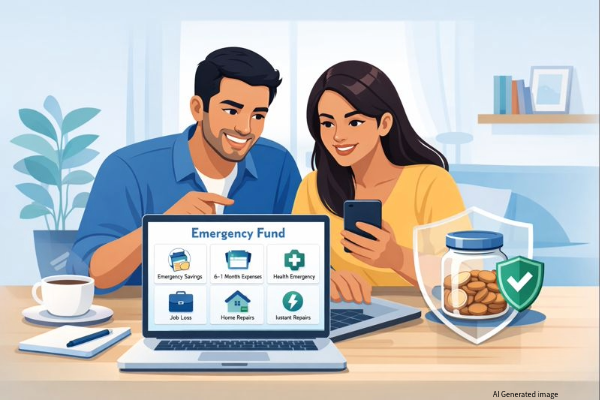
What Is an Emergency Fund?
Think of an emergency fund as your financial safety net. It’s money you keep aside separate from your regular savings or investments specifically for those “oh no” moments that life throws at you without warning.
What counts as an emergency. Here are the real situations where you’d dip into this fund:
Job loss or sudden income disruption. Whether you are asked to leave, the company shuts down, or your freelance projects dry up, losing income is genuinely stressful. Your emergency fund keeps the lights on while you figure things out.
Medical emergencies that insurance doesn’t fully cover. Even with health insurance, there are copays, deductibles, and treatments that aren’t covered. When someone in your family needs urgent medical care, you can’t afford to wait.
Urgent home repairs. Your water heater decides to give up during winter. The ceiling starts leaking during monsoon. The refrigerator stops working right before Diwali. These things happen, and they happen at the worst possible times.
Vehicle breakdowns. If you depend on your car or two-wheeler for commuting, a major breakdown isn’t just inconvenient it can affect your ability to earn.
Family emergencies. Sometimes a family member needs financial help urgently. Maybe elderly parents need immediate medical attention or your sibling faces an unexpected crisis.
Now, what doesn’t count as an emergency. That new phone you have been eyeing. The sale at your favorite store. A spontaneous vacation. The latest gadget everyone’s talking about. If you can plan for it or it’s something you simply want rather than need, it’s not an emergency.
Why an Emergency Fund Is Important
Here’s something most financial advice from the West doesn’t tell you. the Indian context is different. Very different.
Most of us don’t have the employer benefits that people in developed countries take for granted. No generous severance packages. Limited health insurance from employers. No automatic unemployment benefits. When something goes wrong, you are largely on your own.
Healthcare costs are rising faster than incomes. A single hospitalization can wipe out years of savings. Even with insurance, the immediate cash requirement can be substantial.
Many Indians work in sectors with variable income commission based sales, freelancing, small business ownership, or seasonal work. If your income isn’t predictable, your emergency fund becomes even more critical.
Then there are EMIs. Most of us have at least one home loan, car loan, personal loan, education loan. These don’t stop just because your income does. Miss a few EMI payments, and you are looking at penalties, credit score damage, and serious stress.
Without an emergency fund, people often make desperate choices. They borrow at ridiculous interest rates from friends or moneylenders. They break fixed deposits meant for their child’s education. They withdraw from provident funds, paying penalties and losing compound growth. They max out credit cards, creating a debt trap that takes years to escape.
How Much Emergency Fund Should You Have?
This is where everyone wants a simple answer. Unfortunately, personal finance is, well, personal.
Commonly Recommended Range
The standard advice you will hear is 3 to 6 months of essential expenses. This guideline comes from financial planners worldwide and has stood the test of time. But remember it’s a starting point, not the final answer for everyone.
What are essential expenses. These are the costs you absolutely cannot avoid:
- Your rent or home loan EMI
- Electricity, water, gas, internet bills
- Groceries and basic food expenses
- Insurance premiums (health, life, vehicle)
- School or tuition fees for children
- Minimum payments on any debts or loans
- Transportation costs for work
Notice what’s not on that list. Dining out. Entertainment subscriptions. Shopping. Vacations. That gym membership you barely use. When calculating your emergency fund, you are looking at survival mode, not your current lifestyle.
So if your essential monthly expenses are ₹50,000, you’d need anywhere from ₹1.5 lakh (three months) to ₹3 lakh (six months) as a baseline emergency fund.
Customizing Your Emergency Fund
But here’s where it gets interesting. Your ideal emergency fund depends on your specific situation.
1. Nature of Income
If you are a salaried employee in a stable company with a permanent contract, the lower end of the range might work. Companies usually provide notice periods, giving you time to find something new.
But if you are self employed, running a business, or working as a freelancer. Aim higher. Your income can fluctuate wildly. Projects can dry up. Clients can disappear. You might want to look at 9 to 12 months of expenses instead.
Working in a volatile industry. Tech layoffs are common nowadays. Media and advertising budgets get slashed during downturns. Real estate has boom and bust cycles. If your sector is unpredictable, build a bigger cushion.
2. Family and Dependent Considerations
Single with no dependents. Your emergency fund can be smaller because you are only responsible for yourself.
Married with working spouse and no kids. You have two incomes to fall back on, which provides some security.
But supporting elderly parents. Raising children. Being the sole earner. Your emergency fund needs to be substantially larger. More people depending on you means more risk if your income stops.
Also consider: Do you have siblings who can help in a crisis. Are your parents financially secure. Is your spouse’s job stable. These factors matter when sizing your emergency fund.
3. Health Insurance Adequacy
Good health insurance is crucial, but it’s not a replacement for an emergency fund.
Even with comprehensive coverage, you will face out of pocket expenses. Room rent limits might mean you pay extra for a decent hospital room. Some treatments have co-pays. Medicines bought outside the hospital aren’t always covered. And there’s a time lag between treatment and insurance reimbursement.
If you or family members have chronic health conditions, you need a larger emergency fund. If your health insurance coverage is basic, you need more. If you have senior citizens at home, medical emergencies are more likely.
4. Fixed Financial Commitments
Look at your monthly commitments that won’t disappear if you lose your job. Home loan EMI of ₹40,000? Car loan of ₹15,000? Personal loan of ₹10,000? That’s ₹65,000 every single month that you must pay regardless.
Higher fixed obligations mean you need a bigger emergency fund. These commitments continue whether you are employed or not. Missing EMI payments damages your credit score, can lead to asset repossession, and creates legal troubles.
For Example:
Let’s say Priya and Rajesh are married with one child. Their essential monthly expenses break down like this:
- Home loan EMI: ₹35,000
- Utilities and groceries: ₹15,000
- School fees: ₹8,000
- Insurance premiums: ₹5,000
- Transportation: ₹5,000
- Maid and housekeeping: ₹3,000
Total essential expenses: ₹71,000 per month
For six months: ₹4.26 lakh
For nine months: ₹6.39 lakh
Since Rajesh is self employed and Priya works in a startup, they decided to save for nine months of expenses given the income uncertainty.
These numbers are just examples. Your situation will be different based on where you live, your lifestyle, and your responsibilities.
Where to Keep an Emergency Fund
You have saved up your emergency fund. Great! Now where do you actually keep this money?
The golden rules: accessibility and safety. You need to be able to access this money quickly, and you cannot afford to lose it to market volatility.
Savings Account: The simplest option. Money is instantly available. Zero risk. The downside. Minimal interest, usually around 3-4% annually. But remember, this isn’t about returns it’s about availability.
Fixed Deposits with Special Features: Many banks offer FDs with sweep-in facilities or allow premature withdrawal. You earn better interest than savings accounts (around 6-7%) while maintaining reasonable access. Just check the premature withdrawal penalties.
Liquid Mutual Funds: These invest in very short-term debt instruments. You can redeem and get money within 1-2 business days. They typically offer better returns than savings accounts. However, they do carry some market risk, even if minimal.
The smart approach. Split your emergency fund. Keep one month’s expenses in your savings account for immediate access. Put the rest in a combination of FDs and liquid funds for slightly better returns while maintaining liquidity.
What to avoid: Equity mutual funds (too volatile), locked-in FDs with high penalties, real estate (completely illiquid), gold (needs to be sold, market dependent), stocks (can lose value exactly when you need the money).
Common Mistakes to Be Mindful Of
Let’s talk about what not to do with your emergency fund.
Thinking credit cards are emergency funds. Sure, credit cards provide instant money, but at what cost? Interest rates of 36-42% annually will bury you in debt. An emergency fund is savings you own, not borrowed money you’ll struggle to repay.
Investing in risky assets. I have seen people put emergency funds in stocks or aggressive mutual funds because “it’s just sitting there.” Then the market crashes exactly when they need the money, and they are forced to sell at a loss.
Using it for non-emergencies. That amazing deal on a vacation package isn’t an emergency. The new iPhone launch isn’t an emergency. Your friend’s wedding isn’t an emergency (you knew about it in advance). Protect this fund from your impulses.
Never reviewing it. You built an emergency fund five years ago when you were single and renting. Now you are married with a child and a home loan. Your emergency fund needs have changed dramatically. Review and adjust at least annually.
Giving up after using it. You had to dip into your emergency fund it’s not a failure, it’s exactly why you built it! But now you need to rebuild it as soon as possible. It served its purpose; respect that and refill it.
Building an Emergency Fund Gradually
Feeling overwhelmed by the numbers. That’s completely normal. Most people can’t save ₹3-5 lakh overnight.
Start small. Even ₹10,000 is better than zero. Even ₹25,000 gives you some breathing room. Set a target of saving one month’s expenses first, then two, then three.
Automate the process. Set up an automatic transfer on salary day say ₹5,000 or ₹10,000 goes straight to your emergency fund account. You can’t spend what you don’t see.
Use windfalls strategically. Got a bonus at work? Tax refund? Festive gift from family? Put at least half of it into your emergency fund. This accelerates your progress significantly.
Cut unnecessary expenses temporarily. That streaming service you barely use. The subscription box you forget about. Channel that money toward building your emergency fund faster.
Track your progress visually. Whether it’s a simple Excel sheet or a fancy app, watching your emergency fund grow is motivating.
Final Perspective
An emergency fund won’t make you rich. It won’t give you impressive returns. You won’t have exciting stories to share about it at parties.
But it will give you something far more valuable: peace of mind.
You will sleep better knowing that a job loss won’t immediately lead to financial ruin. A medical emergency won’t force you into debt. A car breakdown won’t throw your entire month’s budget into chaos.
An emergency fund is the foundation of financial security. It protects everything else you are building your investments, your retirement plans, your children’s education fund. It gives you the freedom to make better decisions because you are not operating from a place of financial desperation.
Think of it as financial insurance you pay yourself. The best part. If you never need to use it, you haven’t lost anything the money is still yours.
Start today. Start small if you must. But start.
FAQs
What is an emergency fund?
An emergency fund is a pool of readily accessible savings kept aside to manage unexpected financial situations such as income disruption, medical expenses not fully covered by insurance, or urgent household repairs. It is meant for unplanned and unavoidable expenses only.