
What Happens When Your Health Insurance Claim Gets Rejected?
Discover what to do when your health insurance gets rejected. Learn common rejection reasons, appeal process, documentation tips and how to avoid future claim denials.
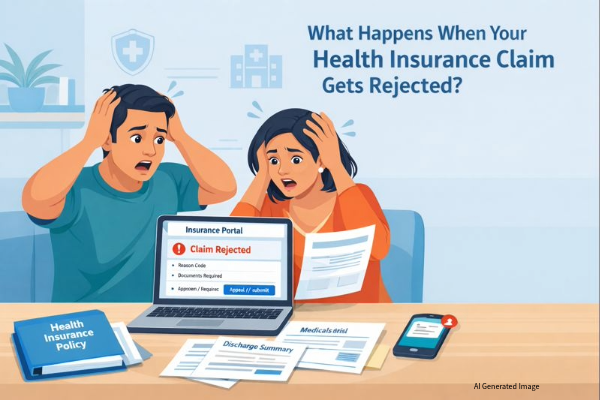
Getting a health insurance claim rejected feels like a punch to the gut, doesn’t it? You’ve just navigated through a medical crisis, dealt with hospital visits, worried about your health or a loved one’s wellbeing, and now there’s this additional burden. The insurer sends you a letter saying they won’t pay for the treatment you thought was covered. Your mind races with questions: “Did I waste my premium payments?” “How will I manage these bills?” “Is my insurance company cheating me?”
Here’s something that might surprise you. most health insurance claim rejections aren’t about insurance companies trying to avoid payment. I’ve worked with hundreds of policyholders over the years, and I can tell you that the majority of rejected claims stem from simple, fixable issues. Documentation errors, misunderstandings about policy coverage, small procedural mistakes that could have been avoided with the right information.
The good news? Understanding why claims get rejected and knowing your next steps can completely change the outcome. You are not powerless here. This guide will walk you through everything you need to know about handling a rejected health insurance claim, protecting your money, and ensuring this doesn’t happen again.
What Does "Claim Rejection" Actually Mean?
Let’s start with the basics because terminology matters when you are dealing with insurance companies.
When your health insurance claim gets rejected, it means the insurance company has decided not to pay for all or part of the medical expenses you submitted. But here’s the critical part many people miss a rejection doesn’t always mean “no forever.” Think of it more like a “not yet” or “we need more information” rather than a permanent door slam.
Now, you’ll often hear two terms used interchangeably, but they’re actually different:
Claim Rejection typically happens because of administrative issues. Maybe you forgot to attach a document, filled in wrong details, missed a signature, or didn’t follow the proper claim filing procedure. These are usually the easier problems to solve.
Claim Denial goes deeper into policy terms. This happens when the treatment itself isn’t covered under your specific plan, falls under exclusions, or violates some condition in your policy contract. Denials require more effort to overturn, though it’s still possible in many situations.
Understanding this difference helps you figure out your battle plan. If your claim was rejected for missing paperwork, you are probably looking at a quick fix. If it’s denied because of policy exclusions, you might need to build a stronger case or explore alternative options.
Common Reasons Health Insurance Claims Get Rejected
After reviewing countless rejected claims, I’ve noticed patterns. The same issues keep popping up repeatedly. Knowing these can help you avoid them entirely or fix them quickly when they occur.
1. Incomplete or Incorrect Documentation
This is hands-down the number one reason claims get rejected, and it’s so frustrating because it’s completely preventable. Insurance companies need specific documents to process your claim hospital bills, discharge summaries, diagnostic test reports, prescription receipts, doctor’s notes explaining the treatment necessity.
Missing even one document can trigger a rejection. Similarly, if your name is spelled differently on the insurance form versus the hospital bill, or if patient details don’t match exactly, the system flags it. I’ve seen claims rejected because someone wrote “Mumbai” on one form and “Bombay” on another.
2. Treatment Not Covered Under Policy
Not all medical treatments are covered by every health insurance policy. Alternative therapies like Ayurveda or homeopathy might have limited coverage or need specific riders. Experimental treatments, cosmetic procedures, infertility treatments these often fall outside standard policy coverage.
The tricky part? Many policyholders assume their insurance covers everything medical. They don’t read the policy document carefully until after a claim gets rejected. That 40-page document you ignored when you bought the policy? It contains the exact list of what’s covered and what’s not.
3. Waiting Period Not Completed
Health insurance policies come with built-in waiting periods, and they’re stricter than most people realize. There’s usually a 30-day initial waiting period for any hospitalization. Pre-existing diseases might have waiting periods ranging from 2 to 4 years. Maternity benefits often require a 9-month to 3-year waiting period. Specific surgeries like hernia, cataract, or joint replacement might need 1-2 years of continuous coverage.
If you file a claim before these waiting periods expire, rejection is automatic. No amount of appealing will change this it’s written into your policy contract.
4. Non-Disclosure or Misrepresentation
This one’s serious. When you buy health insurance, you fill out a proposal form asking about your medical history. Some people deliberately hide pre-existing conditions hoping the insurer won’t find out. Others genuinely forget to mention something they didn’t think was important.
If the insurance company discovers you didn’t disclose an existing illness diabetes, hypertension, thyroid issues, previous surgeries they can reject claims related to that condition. In extreme cases, they might even cancel your entire policy. Honesty during the application stage isn’t optional; it’s essential.
5. Policy Lapsed Due to Non-Payment
Your health insurance policy needs continuous premium payment to remain active. Even if you miss the payment by just a few days and your policy lapses, any claim filed during that period gets rejected instantly.
Some insurers offer a grace period of 15-30 days, but you can’t bank on this. The moment your policy lapses, your coverage stops. Reactivating it requires paying pending premiums plus possible penalties, and there might be fresh waiting periods applied.
6. Exceeding Sub-Limits or Room Rent Caps
Many health insurance policies, especially older ones or budget plans, have sub-limits. These caps restrict how much the insurer will pay for specific expenses. Common sub-limits include room rent (maybe only ₹5,000 per day when you chose a ₹10,000 room), ICU charges, certain surgical procedures, diagnostic tests, or ambulance costs.
When you exceed these sub-limits, the insurer uses a proportionate deduction formula. If your policy allows ₹5,000 room rent but you stayed in a ₹10,000 room, they might pay only 50% of all your bills, not just the room charges. This catches many people off-guard.
First Steps to Take After a Claim Rejection
Getting that rejection letter triggers panic for most people. Your hands might shake as you read it. You might immediately call a friend or family member to vent. That’s natural. But once you’ve processed the initial shock, it’s time to shift into problem-solving mode.
1. Read the Rejection Letter Carefully
The insurance company is legally required to explain exactly why they rejected your claim. This explanation is your roadmap for what to do next. Don’t just skim through it read every word carefully. Look for the specific reason code, the policy clause they’re referencing, and any instructions for next steps.
2. Cross-Check With Your Policy Document
Pull out your policy document and compare the rejection reason against your actual coverage terms. Sometimes rejections happen due to processing errors or misinterpretation of policy terms. If the rejection mentions a specific exclusion, find that section in your policy and read it thoroughly. You might discover the rejection isn’t valid.
3. Speak to the Insurer or TPA
Pick up the phone and call your insurance company’s customer service or the Third-Party Administrator (TPA) handling your claim. Don’t be aggressive or emotional stay calm and professional. Ask them to explain the rejection in simple terms. Sometimes there’s a quick fix, like submitting one additional document or correcting a detail.
Get the representative’s name and note down the date and time of your call. If they promise anything, ask for written confirmation via email.
4. Gather Supporting Documents
Based on what you learn from the rejection letter and your conversation with the insurer, collect any additional documents needed. This might include detailed medical records, a letter from your doctor explaining why the treatment was medically necessary, corrected hospital bills, or additional test reports.
The more comprehensive your documentation, the stronger your case becomes.
How to Appeal a Rejected Health Insurance Claim
Here’s where many people give up too soon, and that’s a mistake. The appeal process exists specifically to correct wrongful rejections and resolve documentation issues. Insurance companies know a certain percentage of initial rejections get overturned during appeals, and they’ve built systems to handle this.
Step-by-Step Appeal Process
Draft a formal appeal letter or email outlining your case clearly. Explain why you believe the rejection was incorrect or provide the additional information they requested. Be specific, reference policy clause numbers, and maintain a professional tone throughout.
Attach all supporting documents. Create a checklist of everything you are submitting original bills, medical records, discharge summary, doctor’s prescription, diagnostic reports, policy copy, previous correspondence. Organize these logically so the reviewer can easily follow your case.
Submit within the insurer’s specified timeline. Most insurance companies give you 30-90 days to appeal a rejection. Don’t wait until the last minute. The sooner you appeal, the better your chances.
Keep acknowledgment and reference number. When you submit your appeal, get a confirmation receipt with a reference number. This proves you filed within the deadline and gives you something to track.
Many claims that initially get rejected are approved during the appeal stage once proper documentation reaches the right desk.
If Your Internal Appeal Fails
If the insurance company upholds their rejection after your appeal, you have higher authorities to approach:
Escalate to the insurer’s grievance cell. Most insurance companies have a dedicated grievance redressal team that reviews escalated cases independently.
Approach the Insurance Ombudsman. This is a free dispute resolution mechanism provided by IRDAI (Insurance Regulatory and Development Authority of India). The Ombudsman can handle claims up to ₹50 lakh and their decision is binding on the insurance company.
File a complaint on IRDAI’s grievance portal (Bima Bharosa). This creates an official record and puts regulatory pressure on the insurance company to review your case seriously.
These escalation options exist to protect policyholders. Don’t hesitate to use them if you genuinely believe your claim was wrongly rejected.
When You Might Have to Pay Out of Pocket
Let’s be realistic not every rejection can or should be appealed. Sometimes the insurance company is right, and the claim genuinely doesn’t fall under your coverage.
If your treatment is clearly excluded in the policy document, if you filed during a waiting period, or if the procedure was cosmetic rather than medically necessary, appealing won’t change anything. These are valid rejections based on your policy contract.
In these situations, focus on damage control. Negotiate with the hospital for payment plans or discounts. Many hospitals offer interest-free installment options or reduce bills for patients facing financial hardship. It never hurts to ask.
Use this experience to review and upgrade your health insurance coverage so you are better protected going forward.
How to Reduce Chances of Claim Rejection in Future
Prevention is always better than cure, even with insurance claims.
1. Disclose All Medical History Honestly
When buying or renewing health insurance, mention every medical condition, every surgery, every ongoing medication. Even if you think something is minor or unrelated, disclose it. This protects you from future claim rejections based on non-disclosure.
2. Understand Your Policy Coverage Thoroughly
Actually read your policy document. I know it’s boring and filled with insurance jargon, but understanding what’s covered, what’s excluded, what are the waiting periods, and what are the sub-limits can save you from nasty surprises later.
3. Choose Cashless Network Hospitals When Possible
Cashless claims through network hospitals typically face fewer documentation hassles because the hospital and insurance company have established processes. The hospital submits documents directly, reducing the chances of missing paperwork.
4. Keep Medical Records Organized
Create a digital folder storing all your medical documents prescriptions, test reports, previous hospital discharge summaries, vaccination records. When you need to file a claim, everything is ready at your fingertips.
5. Review Your Policy Annually
Healthcare costs increase every year. Your ₹5 lakh coverage bought five years ago might not be adequate anymore. Review your policy annually and upgrade your sum insured, remove restrictive sub-limits, and add riders if needed.
Is a Rejected Claim a Sign You Chose the Wrong Policy?
One rejected claim doesn’t necessarily mean your policy is bad. But if you are facing repeated rejections, hitting sub-limits frequently, or discovering major gaps in coverage, it’s time to evaluate whether your current policy still serves your needs.
Health insurance isn’t a one-time decision. Your life circumstances change you get married, have children, develop health conditions, age, change jobs. Your insurance should evolve accordingly.
Final Thoughts
A rejected health insurance claim feels defeating, especially when you are already stressed about health issues and medical bills. But remember—rejection isn’t the end of the story. Most rejections are solvable with proper documentation, timely appeals, and a clear understanding of your policy terms.
Take action immediately when you receive a rejection. Don’t let frustration or confusion paralyze you. Follow the appeal process systematically, gather your documents, and persist through the proper channels.
More importantly, use this experience to become a smarter insurance consumer. Understand your policy better, maintain proper documentation, disclose medical history honestly, and review your coverage regularly.
Health insurance exists to protect you from financial devastation during medical emergencies. When you know how the system works, how claims are processed, and what to do when things go wrong, you transform from a confused policyholder into an empowered consumer.
Your health and financial security are worth fighting for. Don’t give up on a rejected claim without exploring every option available to you.
FAQs
Is a rejected health insurance claim final?
No. A rejected claim is often not final. Many rejections happen due to missing documents, incorrect information, or procedural errors. You can submit additional documents or file an appeal with your insurer. If required, you may escalate the matter to the insurer’s grievance cell or the Insurance Ombudsman.
How long do I have to appeal a rejected claim?
Can I resubmit the same claim after rejection?
What documents are usually required for a successful claim?
Commonly required documents include:
- Duly filled claim form
- Hospital bills and payment receipts
- Discharge summary
- Doctor’s prescriptions
- Diagnostic reports
- Policy copy and ID proof
Always keep both physical and digital copies.
Does non-disclosure always lead to claim rejection?
In many cases, yes—especially if the non-disclosed condition is directly related to the claim. Honest disclosure at the time of policy purchase is crucial to avoid future issues.
What is the difference between claim rejection and claim denial?
Can cashless claims also get rejected?
Yes. Cashless claims may be rejected if:
- Treatment is not covered
- Waiting period is not completed
- Required documents are missing
- Hospital requests exceed policy limits