
Top Mistakes People Make While Buying Health Insurance
Table of Contents
Discover top mistakes people make while buying health insurance that cost Indians thousands. Learn how to choose the right health insurance policy, avoid claim rejections, and secure proper coverage for your family.
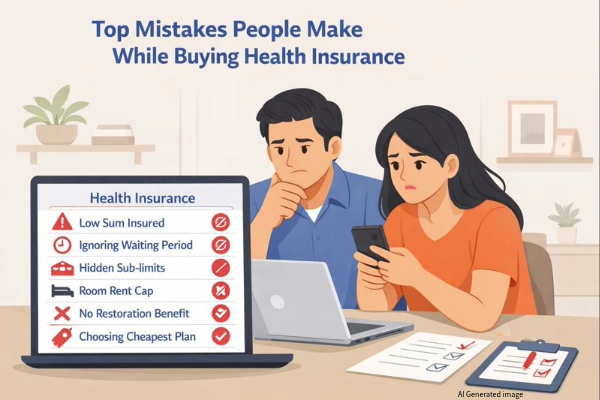
Let me tell you something that might sound harsh but is absolutely true. most people don’t realize they have made a health insurance mistake until they are lying in a hospital bed, dealing with a medical emergency.
That’s when the panic sets in. That’s when they discover their health insurance policy won’t cover what they thought it would. And that’s definitely the worst possible time to figure out you made the wrong choice.
I have spent years working with families who have faced rejected claims, insufficient health insurance coverage, and unexpected medical bills that could have been avoided. The frustration and stress during a medical crisis is something no one should experience, especially when proper planning could have prevented it.
So if you are thinking about buying health insurance or already have a policy sitting somewhere in your documents folder, this guide is for you. Let me walk you through the biggest health insurance mistakes I have seen people make, and more importantly, how you can avoid them.
1. Choosing Health Insurance Only to Save Tax
Here’s a conversation I have had way too many times:
“I just need health insurance for Section 80D tax deduction. What’s the cheapest policy you have?”
Look, I get it. Saving tax feels good. Section 80D lets you claim deductions on health insurance premiums, and that’s genuinely helpful. But here’s the thing. if you are buying health insurance primarily to save a few thousand rupees in taxes, you are setting yourself up for a much bigger financial disaster down the road.
Why this approach backfires:
Those cheap health insurance plans that help you save tax. They usually come with pathetically low coverage amounts. We are talking about policies that might cover ₹2-3 lakh when a single hospitalization can easily cost ₹5-7 lakh in a decent city hospital.
These budget health insurance policies are notorious for having sub-limits on room rent, capping what they’ll pay for specific diseases, and excluding treatments you might desperately need. When you are dealing with a medical emergency, you will quickly realize that the ₹5,000 you saved in taxes has cost you ₹3 lakh out of pocket.
The smarter approach:
Start by figuring out what kind of health insurance coverage you actually need. Consider your family’s medical history, the hospitals you’d want treatment in, and the kind of medical expenses that could genuinely impact your finances. Once you have identified the right health insurance policy, the tax benefits under Section 80D become a nice bonus, not the main reason you bought it.
2. Buying Insufficient Sum Insured
“₹5 lakh health insurance should be enough, right?”
Wrong. Dangerously wrong.
I know people still walking around with health insurance policies they bought a decade ago with ₹3-5 lakh coverage, thinking they are adequately protected. They are not. Not even close.
Let’s talk real numbers:
A routine surgery these days can cost ₹4-6 lakh in any decent hospital. If you need ICU care, you’re looking at ₹15,000-30,000 per day. A critical illness like cancer or a major cardiac event. The treatment can easily cross ₹10-15 lakh.
And here’s the kicker: medical inflation in India runs at 12-14% annually. That means healthcare costs double roughly every five years. The health insurance sum insured that seemed adequate when you bought your policy is probably woefully insufficient today.
What you should do instead:
For a family floater health insurance policy, start thinking in terms of at least ₹10-15 lakh coverage, especially if you live in a metro city. Yes, the health insurance premium will be higher, but it’s still far more affordable than paying lakhs from your savings during a medical emergency.
Here’s a smart trick. combine a basic health insurance policy with a super top-up plan. This gives you higher overall coverage at a much more reasonable health insurance premium. For example, a ₹5 lakh base policy plus a ₹15 lakh super top-up can provide ₹20 lakh total protection without breaking the bank.
3. Ignoring Waiting Period Clauses
Waiting periods are the fine print that comes back to bite people. Hard.
Almost every health insurance policy comes with waiting periods, but most people buying health insurance never bother to understand what that actually means for their coverage.
Here’s what you need to know about health insurance waiting periods:
Most health insurance plans have a 2-4 year waiting period for pre-existing diseases. So if you have diabetes or hypertension when you buy health insurance, you will need to wait several years before claims related to those conditions get covered.
There are also specific waiting periods for certain illnesses and procedures. And if you are planning for maternity coverage, expect a waiting period of 2-4 years before you can make claims.
The mistake people make:
They assume their health insurance coverage starts immediately for everything the moment they pay the premium. Then they are shocked when a claim gets rejected because they’re still in the waiting period.
What you should actually do:
When buying health insurance, carefully read the policy document. Understand exactly what’s covered from day one, what has waiting periods, and when your full health insurance benefits kick in.
The best time to buy health insurance. Right now. The earlier you get your policy, the sooner those waiting periods are completed. Waiting until you think you will need health insurance means restarting all those waiting periods when you can least afford to.
4. Not Disclosing Pre-Existing Medical Conditions
This one makes me want to bang my head against a wall.
Some people deliberately hide their existing health conditions when buying health insurance, thinking they will get a lower premium or better terms. This isn’t just unethical. it’s financial suicide.
Why this health insurance mistake will destroy you:
When you file a claim, insurance companies investigate. They check your medical records. They talk to your doctors. And when they discover you hid a pre-existing condition, they will reject your claim. They might even cancel your entire health insurance policy for non-disclosure.
Imagine lying in a hospital after a heart attack, expecting your health insurance to cover the ₹8 lakh bill, only to have your claim rejected because you didn’t disclose your high cholesterol during the application. You lose the claim, you lose your policy, and you have wasted years of premium payments.
The right way to handle this:
Declare every medical condition you know about when buying health insurance. Yes, your premium might be slightly higher. But a marginally higher health insurance premium is infinitely better than a rejected claim when you are facing a genuine medical emergency.
Be honest about your health insurance application. Always.
5. Choosing a Policy Without Checking Hospital Network
You’d be surprised how many people buy health insurance without checking if their preferred hospitals are actually in the insurer’s network.
Then they end up in a hospital during an emergency, expecting cashless treatment through their health insurance, and discover their hospital isn’t on the list. Now they need to pay upfront and go through the reimbursement process, which is exactly what you don’t want during a medical crisis.
What you need to do when buying health insurance:
Check the insurance company’s hospital network list before you buy. Make sure the hospitals you trust and the ones near your home are included. Understand the difference between cashless and reimbursement claims in your health insurance policy.
Cashless treatment is one of the biggest advantages of good health insurance. Don’t lose that benefit by choosing a policy with a limited hospital network.
6. Overlooking Sub-Limits and Room Rent Caps
This is where cheap health insurance policies really show their true colors.
A policy might advertise ₹5 lakh coverage, but buried in the fine print are restrictions that can slash your actual claim amount dramatically.
Common health insurance sub-limits include:
- Room rent capped at 1% of sum insured (so ₹5,000 per day on a ₹5 lakh policy)
- ICU charges capped at 2% of sum insured
- Disease-specific sub-limits on treatments
- Capping on surgeon fees and procedure costs
Here’s how this health insurance trap works: You are in a hospital room that costs ₹10,000 per day, but your policy only allows ₹5,000. The insurer doesn’t just pay ₹5,000 and leave you to pay the rest. They proportionately reduce your entire claim based on this breach.
The better approach to health insurance:
Look for policies with no room rent capping or at least very high limits. Avoid health insurance plans with disease-wise sub-limits. Pay a bit more for transparent claim structures that won’t surprise you with proportionate deductions.
7. Buying Health Insurance Too Late in Life
“I am healthy now. I will buy health insurance when I am older.”
This is probably the most expensive health insurance mistake you can make.
Why waiting destroys your health insurance options:
The older you get, the higher your premiums. Health insurance for a 45-year-old costs significantly more than for a 25-year-old with the same coverage.
Waiting periods restart whenever you buy a new health insurance policy. So if you wait until you are 50 to buy health insurance, you are waiting another 2-4 years for pre-existing disease coverage.
Insurance companies also start limiting coverage options and might even reject your health insurance application based on age and health complications.
8. Assuming Employer Health Insurance Is Enough
Your company’s group health insurance is great. But it’s not enough on its own.
Problems with relying only on employer health insurance:
Your coverage vanishes the day you change jobs or retire. If you have developed health conditions during your employment, buying individual health insurance later becomes difficult and expensive.
Employer health insurance usually offers limited sum insured, often ₹3-5 lakh, which isn’t adequate for serious medical emergencies.
You can’t customize employer coverage or add riders that your family might need.
What you should do:
Always maintain a personal health insurance policy alongside your employer coverage. Think of company health insurance as a bonus, not your primary protection.
9. Not Reviewing Policy at Renewal Time
People pay their health insurance premium every year like clockwork, but never actually review what they are paying for.
Your health insurance needs change. Your family grows. Medical costs increase. New treatments become available. But your policy remains stuck in time unless you actively update it.
Make health insurance review an annual ritual:
Increase your sum insured to keep pace with medical inflation. Add riders or super top-up plans as your family’s needs change. Compare your current policy with newer health insurance options that might offer better benefits.
10. Buying Without Expert Guidance or Proper Research
Health insurance policies are genuinely complex. The policy documents are filled with insurance jargon, exclusions, and terms that are deliberately confusing.
Buying health insurance without understanding these details leads to wrong policy selection, coverage gaps, and nasty surprises during claim time.
The right approach to buying health insurance:
Take time to read policy brochures and understand the actual wording. Compare multiple insurers and their health insurance offerings. Don’t hesitate to seek guidance from a knowledgeable advisor who can explain things in plain language.
Final Thoughts: Your Health Insurance Decision Matters
Here’s the bottom line. health insurance isn’t just another document to store away. It’s your financial safety net during the most vulnerable moments of your life.
The difference between making smart health insurance choices and making these common mistakes is literally the difference between stress-free cashless treatment and financial devastation during a medical emergency.
You can’t predict when you will need health insurance. But you can absolutely control whether you will have the right coverage when that moment comes.
Take your time. Do proper research. Buy adequate coverage. Disclose everything honestly. Review regularly.
Your future self, especially the one facing a medical situation, will thank you for making the right health insurance decisions today.
FAQs
What is the biggest mistake people make while buying health insurance?
How much health insurance cover is sufficient for a family?
Are pre-existing diseases covered immediately in health insurance?
What happens if I do not disclose a medical condition while buying health insurance?
Is employer-provided health insurance enough?
Employer health insurance can be helpful, but it may not be sufficient on its own. Coverage usually ends when you leave the job, and the sum insured may be limited. Having a personal health insurance policy ensures continuity and long-term protection.